


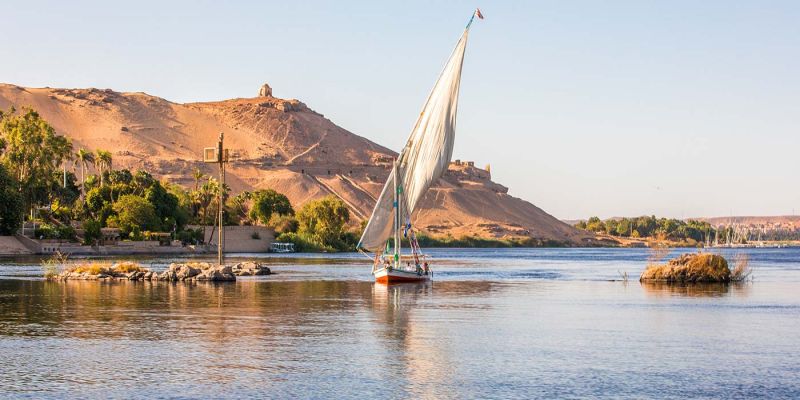
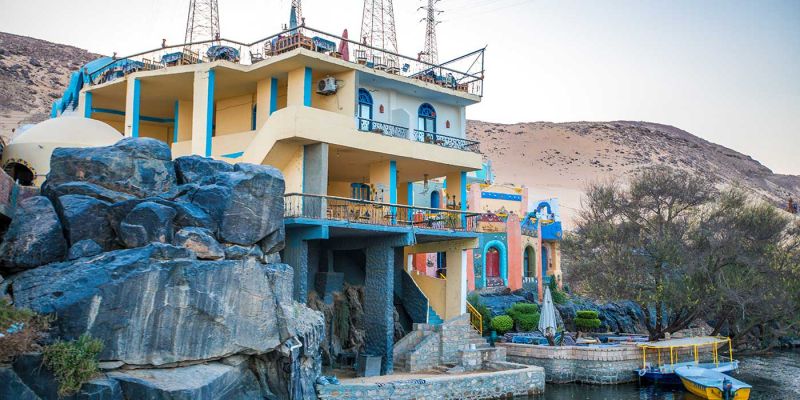
Aswan City Egypt
Topics Included:
- Aswan History
- Directions
- What to see in Aswan
- Modern Aswan
- Ancient Aswan
- Nilometer
Directions:
What to see:
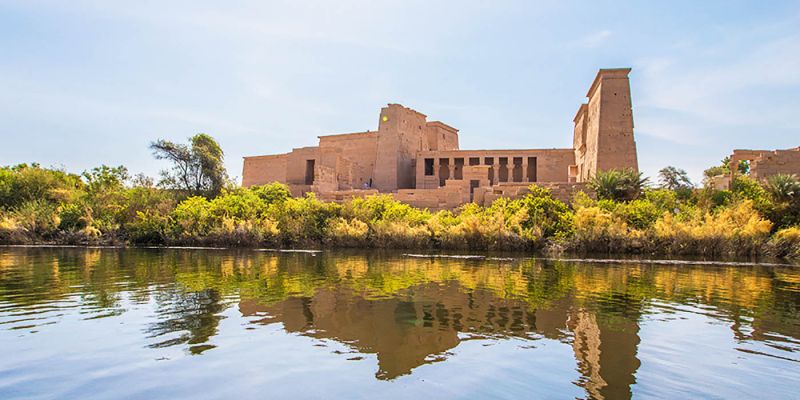
Choose your Nile Cruise from Aswan to Luxor

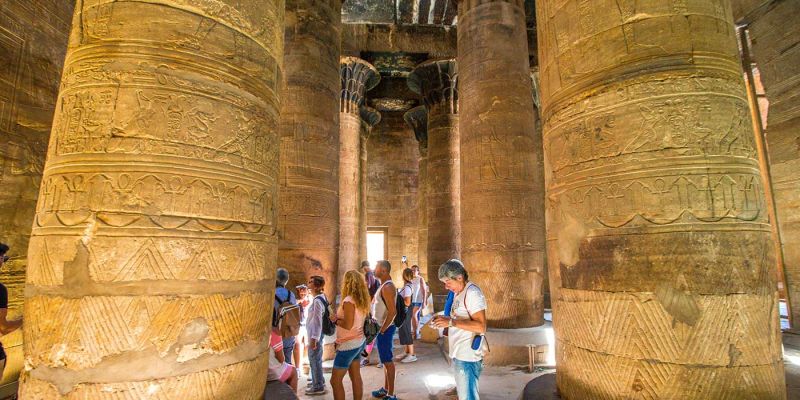
Tailor-Make Your Dream Trip To Egypt Today!

-
Travel Experience Since 1955
Memphis Tours is one of the pioneers which have great impact on travel industry for more than 55 years of experience.
-
Personalized Travel Services
Whatever your travel dreams, together we can custom-design the perfect itinerary with highly personalized services just for you
-
We Speak Your Language
A multilingual website offers content in 6 different languages English, Spanish, Portuguese, French, Italian and German
-
Flexibility to Change
We know how important it is for travellers to have the flexibility to change their itinerary due to some reasons or force majeure
-
Your Safety and Security
A professional will accompany the guests to all of the places; they will never be left alone to fend for themselves
-
High Quality Service
We do believe honestly that quality should come first and quantity would come later and our main objective focused on (Quality is our Top Priority)
-
Customer Service 24/7
We offer Customer Support 24 hours a day, 7 days a week by phone and email for questions about our tours and services
-
Support Sustainable Tourism
We are attempting to make a low impact on the environment and local culture, while helping to generate future employment for local people
-
Secure Online Payment
Our website is protected by the world′s most secure online payment system VeriSign Secure
-
Secure Website by MacAfee
Memphis Tours website is a McAfee Secure site that helps keep you safe from identity theft, credit card fraud and spyware